 Skip to content
Posts by Ashbury Global
Natasha Allergy Research Foundation: Clinical Trial Update, May 2024

Ashbury is a proud partner of The Natasha Allergy Research Foundation, the UK’s food allergy charity, and supports the Foundation in its mission to Make Allergy History. With our backing, The Natasha Allergy Research Foundation is funding a pioneering clinical trial that may allow children and young people with food allergies to live without the fear…
Read MoreNutri-Score Food Labelling: How & When to use it
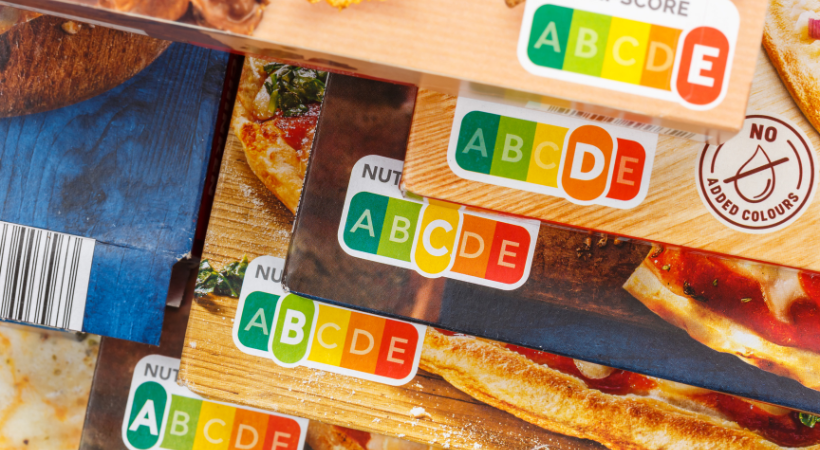
Unless exempt, all pre-packaged food must display a label with nutritional information, including energy value and the amounts of fat, saturates, carbohydrates, sugars, protein and salt. This allows shoppers to make informed food choices. However, consumers don’t always have time to scrutinise and compare the nutritional information of every product they buy. As a result,…
Read MoreVegan Labelling Requirements: How to Label Vegan Food Packaging

Whether it’s just a preference for what milk people like in their coffee or a conscious lifestyle choice, veganism is growing in popularity and continues to push the demand for plant-based foods. Unlike allergens or food additives which must be clearly labelled to follow UK food labelling regulations, the rules around vegan labelling are less…
Read MoreSugar and Sugar Alternatives: What industry dynamics are influencing consumer choice?

Sugar: it’s been a topic of conversation within our industry for many years – and it doesn’t appear that this will change anytime soon. It’s undoubtedly been villainised in more recent times for the detrimental impacts that overconsumption can have (and is having) on human health. So much so, the sugar alternatives market is booming,…
Read MoreTraffic Light Labelling: A Guide For Food Businesses
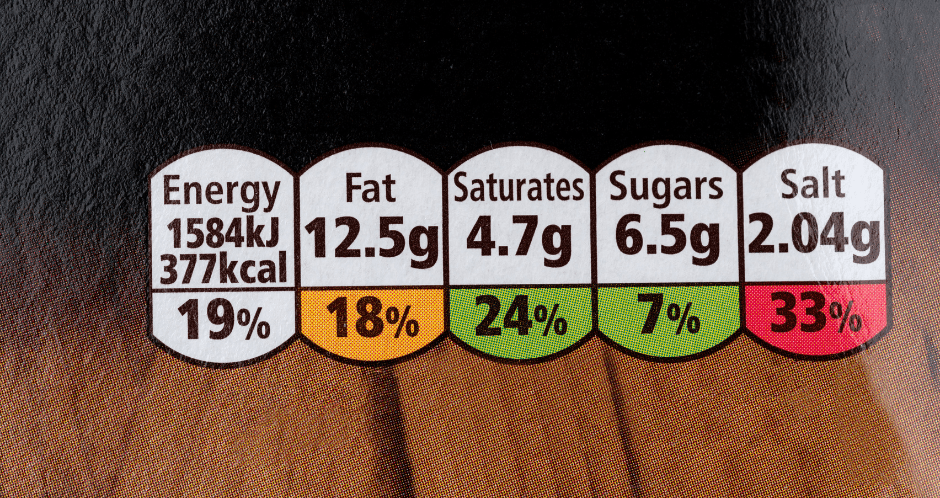
Many food business operators choose to include colour-coded nutritional information on the front of their product packaging, to support consumers in making informed choices about the products they buy. These are known in the UK as traffic light labels, one of many forms of Front of Pack (FoP) labelling for prepackaged food and drinks used…
Read MorePEAL Food Allergen Labelling Australia: A Complete Guide to the New Legal Requirements

What is PEAL Labelling? If you export foods to be sold in Australia and New Zealand, you need to comply with the Australia New Zealand Food Standards Code (ANZFSC), which includes all requirements for allergen declarations. On 25th February 2021, changes were introduced into law via the ‘Plain English Allergen Labelling’ – ‘PEAL’ – amends…
Read MoreFree-From Festive Feasts: How Much Will They Set You Back?

Most of us think of Christmas as a time filled with family, festivities and a full belly. But people with food allergies may struggle to please their appetite this Christmas, with allergen-free alternatives to festive favourites less available and costing more at the till. Roughly 2% of adults in the UK live with a food…
Read MoreInclusive Labels for the Visually Impaired: Challenges & Solutions for the Food Industry

Inclusivity is an increasing consideration for brands, but also from a business perspective – enabling more consumers to utilise their products conveniently. It’s estimated 1.1 billion people across the globe live with vision loss, limiting how easy it is for them to select and use products in the same way as those with full sight.…
Read MoreNatasha’s Law: What is it & What Does it Cover?

Navigating the world of food labelling compliance is essential for businesses hoping to launch successful products that are safe for consumers to eat. One of the most significant changes to food law in recent years was the introduction of the UK’s Food Information (Amendment) Regulations 2019, commonly known as ‘Natasha’s Law’. The amendment to regulations…
Read MoreCarbon Footprint Labelling: Is This The Future Of Supermarket Shelves?
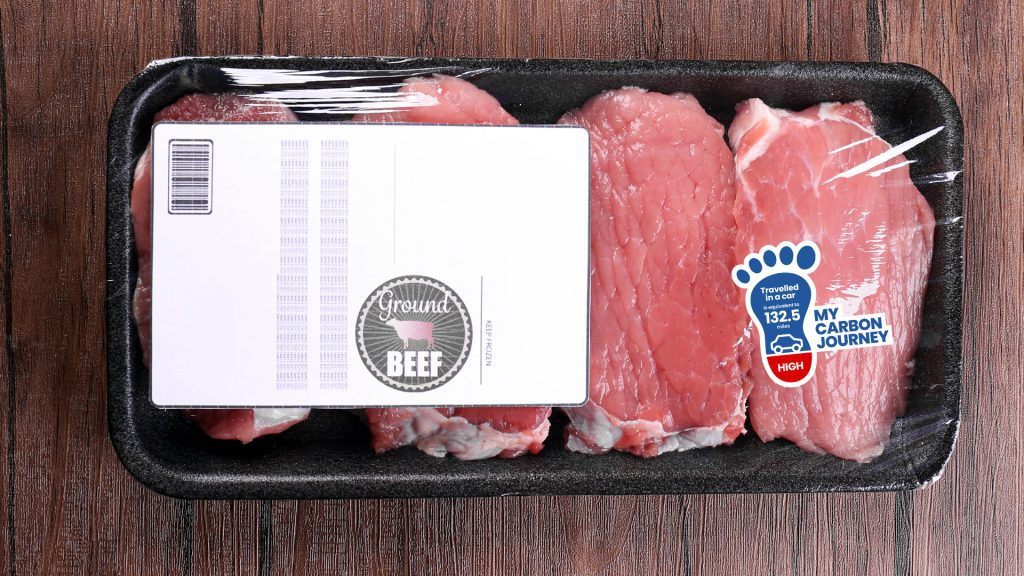
As the climate emergency rages on, it has never been more important for consumers to think twice about their carbon footprint and in particular, the impact their diet and weekly food shop choices are having on the planet. According to a 2019 report from the IPCC, the process of producing, processing and transporting our food…
Read More